
From India to Australia: Using a Virtual Address When Expanding Your Business Overseas

Australia is an attractive expansion market for Indian technology companies, professional-service firms, manufacturers, ecommerce businesses and startups. The two countries have strong commercial ties but opening an Australian operation involves more than launching an Australian website and adding AUD pricing. There are decisions to make around corporate structure, taxation, registrations, local representation and addresses. One of the earliest practical questions is deceptively simple: What Australian address will the business use? Two common ways an Indian company enters Australia An Indian company looking to establish operations in Australia will generally need professional advice about the structure that best fits its circumstances. At a high level, two potential routes are particularly relevant. Establish an Australian company The Indian business may establish a separate Australian company, commonly operating as an Australian subsidiary. An Australian company must provide ASIC with a registered office address and principal place of business address. ASIC states that its registered office must be a physical street address in Australia and cannot be a PO Box. The company does not necessarily need to conduct its day-to-day operations from the registered office. If somebody else occupies the premises, their consent is required for the company to use the address. Register the Indian entity as a foreign company Alternatively, an overseas company carrying on business in Australia may need to register with ASIC as a foreign company rather than incorporating an Australian subsidiary. ASIC states that a foreign company carrying on business in Australia must generally register unless it instead establishes an Australian company to conduct the business. Registered foreign companies have several continuing obligations including maintaining an Australian registered office and appointing a local agent resident in Australia. The right structure depends on the company’s activities, ownership, taxation and commercial objectives. This is an area where specialist Australian and Indian tax or corporate advice is valuable. Where does a virtual address fit? For companies that do not immediately need permanent Australian premises, virtual address and business registration in Australia services can help solve the address component of market entry. Instead of leasing an office before revenue justifies it, a business can establish a compliant address arrangement and have mail managed remotely. Depending on the provider, this can include: This can be especially useful during the first stages of expansion when senior management remains in India and the Australian operation is still being established. A virtual address does not replace a local agent This distinction is particularly important for Indian companies registering their existing Indian entity as a foreign company. ASIC requires a registered foreign company to have a local agent who is resident in Australia. The agent accepts notices on behalf of the foreign company and has defined responsibilities under Australian corporate law. A virtual address provider is therefore not automatically your local agent. Similarly, an address service does not replace an accountant, lawyer or tax adviser. Think of the virtual address as one component of the Australian infrastructure rather than a complete foreign-company registration solution. What about an ABN? Non-resident businesses may also be eligible for an Australian Business Number. The Australian Business Register states that non-residents may be entitled to an ABN when they are carrying on or starting an enterprise in Australia or making supplies connected with Australia’s indirect tax zone. A non-resident without an Australian tax file number can still apply but additional identity documentation and details of Australian business activities can be required. Again, simply purchasing an address does not automatically make a business eligible for an ABN. Eligibility depends on the business itself. Australian compliance changed in 2026 Companies entering Australia should also be aware of changes affecting the providers they use. AUSTRAC’s expanded AML/CTF regime includes, from 1 July 2026, specified services involving the provision of registered-office or principal-place-of-business addresses. AUSTRAC says the rules can apply where a provider makes an address available for a company to use instead of the location from which the company actually operates. Providers subject to the regime have obligations including customer due diligence. For an Indian company, this means requests for corporate documents, ownership information or identification should not necessarily be viewed as friction. They may form part of Australia’s compliance environment. A sensible Australian expansion sequence Before committing significant capital to premises, an Indian business could approach expansion in stages: This approach keeps fixed costs relatively lean while the company validates the market. Start with infrastructure that can grow with the business International expansion often tempts companies into making expensive commitments too early. A large office might look impressive but it does not create customers. For many Indian businesses, the smarter first step is establishing the minimum compliant infrastructure needed to operate properly, then increasing physical presence as employees, customers and revenue grow. A virtual Australian address can form part of that approach. Just make sure the provider supports the specific registration purpose you require and remember that an address is one component of Australian market entry, not a substitute for the legal, taxation and corporate decisions behind it. Information current as at September 2026 and provided for general informational purposes only. Businesses expanding from India into Australia should obtain Australian and Indian legal and taxation advice relevant to their circumstances.
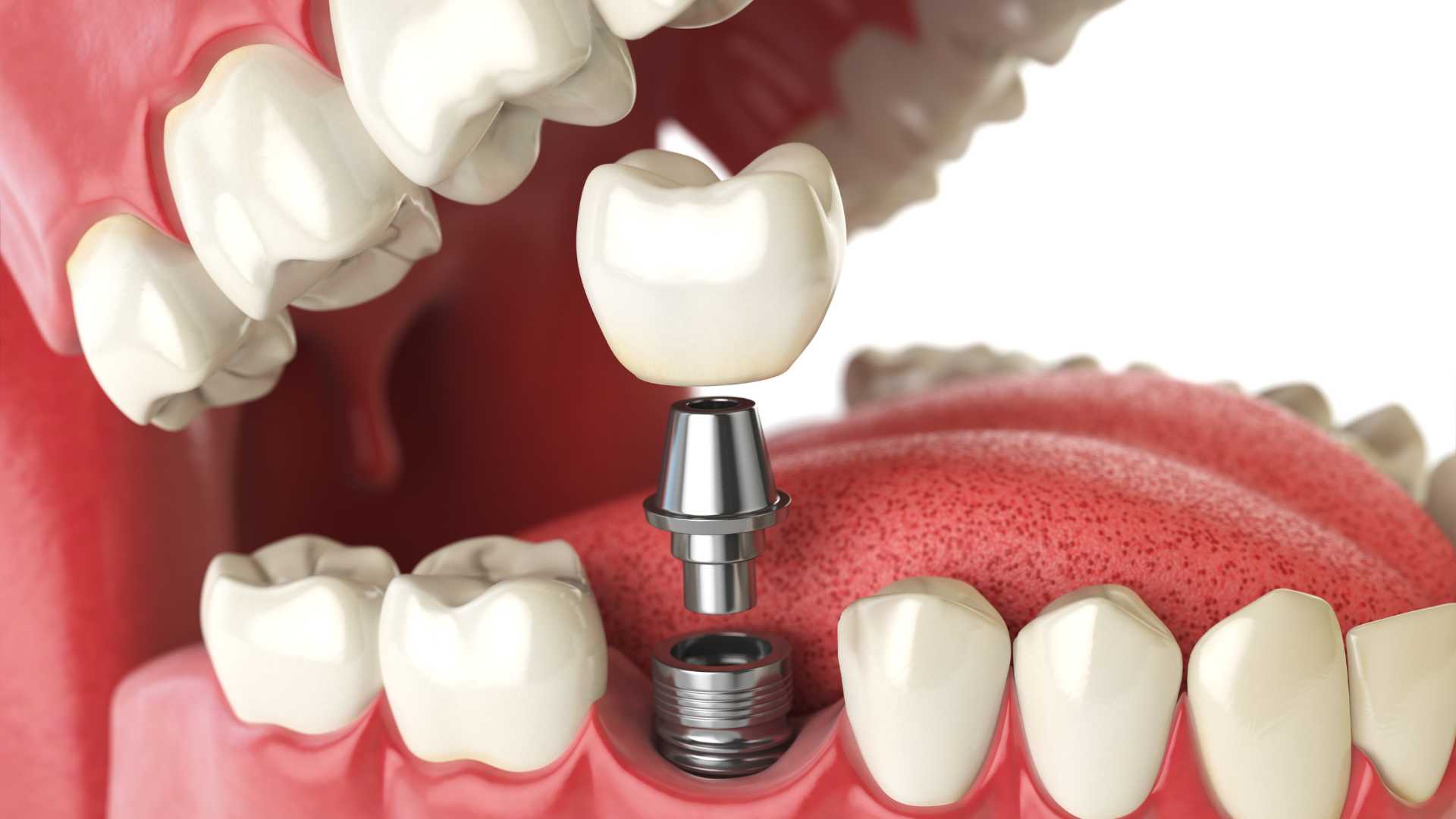

Making An Informed Decision Before Starting Dental Implant Treatment

Dental Implant

If you have lost one or more teeth, dental implants may be the best long-term solution for you. They are used to replace lost teeth and let you accomplish normal tasks like eating and talking. Implant surgery, however, is a big dental procedure and choosing a replacement tooth is not enough to determine whether it’s correct. Before initiating therapy, patients should be informed about their dental health, the available treatment options, the treatment process they may anticipate, the recovery time and the cost. Being aware of this information beforehand will help you make a better choice and have more realistic objectives. Understand What Dental Implant Treatment Involves Dental implants are typically little metal pieces that are put in the jawbone to hold an artificial tooth. Once the implant is in, the bone surrounding it requires time to mend and grow together. The dentist may then place a dental crown, bridge or other suitable repair as determined by the treatment plan. Unlike some other methods of replacing lost teeth, therapy with implants may need more than one session over a few months. Everyone’s healing process is different, which is why it’s crucial to know what the complete process is like before you begin therapy. People who enquire about dental implants in Sydney should ask about each stage of treatment rather than focusing only on the final appearance of the replacement tooth. Patients who know what to expect before, during and after obtaining an implant will be more prepared for their procedure. Determine Whether You Are A Suitable Candidate Dental implants aren’t always the best choice for those who are missing teeth. Dentists have to consider a lot of things before recommending treatment. The condition of your gums, jawbone, overall dental health, where the tooth was, and the quality of the teeth surrounding it may all impact the way the tooth is treated. Diagnostic pictures may be necessary to see the bone that is present and other key sections of the body. If there is not enough bone, alternative treatments may be discussed before the implant is placed. Your capacity to recover may also be affected by your overall health and lifestyle. Thus, patients should inform their doctor of their entire medical history and discuss any medications or other conditions that might impact their treatment. Ask About Alternative Tooth Replacement Options You should be aware of dental implants and other possibilities to be able to make a good decision. Other possibilities might include dental braces or removable dentures depending on where and how many teeth were removed. There are some helpful points to consider in each approach. The right therapy for you will depend on your dental health and personal preferences, medical condition, how frequently you need to see a dentist and your budget. If you’re in Sydney and wondering about dental implants, your consultation might be an opportunity to explore all of your options and learn how one procedure may be more suitable than another. Implants are not always the best solution for patients. They may question how each option would affect the comfort, function, maintenance, and surrounding teeth of the implants. Consider The Complete Cost Of Treatment Cost is another crucial item to consider. During dental implant therapy, a lot may happen. Consultations, diagnostic scans, implant insertion, restorations, and follow-up sessions. The overall cost might potentially change with additional treatments. Patients should ask for a comprehensive treatment plan that details what is included in the fee they have been quoted. You may also wish to see whether any potential further treatments are included or if there is an extra charge. It might be misleading to compare treatments just based on the lowest price given. Along with pricing, you should also look at how difficult the procedure is, what materials are used, how long the treatment lasts and how much care you will need in the future. Understand Recovery And Healing Expectations Each one heals in his own manner. Some individuals may have a short period of swelling, discomfort or tenderness after having implants. Your dentist or orthodontist will inform you what to anticipate and provide you with the proper recommendations for treatment. And the patient has to be in the healing process too. Follow the recommendations for adequate dental care, attend all of your appointments, and avoid habits that might get in the way of your recovery. People in Sydney should consider the commitments they have with their job, travel and other matters that may hinder them from keeping their schedules or handling the healing period before they enquire about dental implants. Think About Long Term Maintenance Dental implants are designed to be a long-term solution to lost teeth, but they still need regular maintenance. Although an implant is not subject to cavities like a natural tooth, the tissues around the implant must remain healthy. Ongoing implant care might include brushing your teeth daily, cleaning between your teeth, having frequent expert dental checkups and scheduling regular hygiene visits. Whether you require dental treatment, ask your doctor whether you need to adjust how you clean after the procedure is done. Whoever is aware of these responsibilities beforehand will not assume that implants do not need any care at all. Conclusion As for choosing dental implants, every patient must take into account his or her own medical demands and get a complete understanding of how the operation will proceed. Before you start therapy, consider: Is the treatment correct for you? How much will the treatment cost? How long will it take to heal? With a thorough dental exam and a detailed discussion with an experienced dental expert, you may get the information you need to consider your options. If patients ask questions and understand every phase of the therapy, they might have greater confidence in their decision and more reasonable expectations.

The Art of Facial Rejuvenation That Preserves Your Unique Features

Facial rejuvenation has evolved significantly over the past decade. Rather than pursuing dramatic transformations, many individuals now seek treatments that restore youthful vitality while maintaining the facial characteristics that make them unique. This shift reflects a growing appreciation for natural beauty, balanced proportions, and subtle enhancements that complement a person’s existing features. Modern aesthetic care is no longer about looking like someone else. Instead, it focuses on helping patients look like the best version of themselves. When treatments are carefully planned and personalized, the results can refresh the face without altering the expressions, personality, or individuality that define a person. The Goal of Natural Facial Rejuvenation The aging process affects everyone differently. Skin gradually loses collagen and elasticity, facial fat shifts, and bone structure changes over time. These natural developments can lead to volume loss, wrinkles, and skin laxity. However, the objective of facial rejuvenation is not to erase every sign of aging. Instead, it is to restore balance and harmony while respecting each patient’s natural anatomy. A thoughtful treatment plan considers facial proportions, skin quality, and individual goals. Small improvements in multiple areas often create a more youthful appearance than aggressive treatment focused on a single concern. The result is a refreshed face that still feels authentic. Personalized Treatments Make the Difference No two faces age in exactly the same way. Genetics, lifestyle, sun exposure, and overall health all influence how the skin and facial tissues change over time. Because of this, personalized care is essential for achieving natural outcomes. Rather than following a standard approach, experienced practitioners evaluate facial symmetry, expressions, and unique structural characteristics before recommending treatment options. Customized plans may combine several minimally invasive techniques to address fine lines, restore lost volume, improve skin texture, and enhance overall facial balance. Patients often appreciate that these individualized plans prioritize subtle improvements rather than obvious cosmetic changes. Preserving Facial Expressions and Character One of the biggest concerns many people have before seeking cosmetic treatment is losing their natural appearance. They want to continue looking expressive, approachable, and recognizable to family and friends. This is where Dr. Joffrey’s Approach to Natural-Looking Facial Rejuvenation stands out by emphasizing facial harmony instead of excessive correction. The philosophy centers on enhancing existing beauty while preserving the movement and character that make every face unique. When performed with precision and restraint, facial rejuvenation can soften signs of aging without creating a frozen or overfilled appearance. The goal is for others to notice that someone looks refreshed and well-rested rather than wondering what procedure they have undergone. Combining Science With Artistic Vision Facial rejuvenation requires far more than technical skill. It also demands an artistic understanding of facial proportions, balance, and aesthetics. Every adjustment should complement surrounding features rather than compete with them. Modern technology and advanced techniques allow practitioners to target specific concerns with remarkable accuracy. Whether improving skin quality, restoring facial volume, or refining contours, each treatment contributes to an overall result that appears seamless and natural. This careful combination of medical expertise and artistic judgment helps create outcomes that enhance confidence while preserving individuality. Healthy Skin Supports Long-Lasting Results Beautiful rejuvenation is not achieved through cosmetic procedures alone. Healthy skin provides the foundation for lasting improvements. Daily skincare, sun protection, proper hydration, and healthy lifestyle choices all contribute to maintaining treatment results. Patients who adopt consistent skincare routines often experience improved skin texture, better elasticity, and a brighter complexion. Preventive care also helps slow visible signs of aging, reducing the need for more extensive interventions in the future. When professional treatments are combined with good skin health, the overall appearance remains fresh and balanced for years to come. Confidence Comes From Looking Like Yourself Perhaps the greatest benefit of modern facial rejuvenation is the confidence it can inspire. People often feel more comfortable in professional settings, social interactions, and everyday life when their outward appearance reflects how energetic and youthful they feel inside. Natural-looking results allow individuals to maintain their identity while addressing concerns that may have affected their self-esteem. Instead of chasing perfection, today’s aesthetic philosophy celebrates authenticity, balance, and personal beauty. Conclusion The true art of facial rejuvenation lies in preserving the features that make every individual unique while gently restoring youthful vitality. Personalized treatment plans, artistic precision, and a commitment to subtle enhancement produce results that feel genuine rather than artificial. By focusing on facial harmony instead of dramatic transformation, modern aesthetic care helps individuals age gracefully while continuing to look unmistakably like themselves.

Understanding the Value of Supportive Insoles for Diabetic Feet

Living with diabetes requires careful attention to overall health, and foot care is one of the most important aspects of daily wellness. Changes in circulation and nerve function can make the feet more vulnerable to discomfort, pressure injuries, and slow healing. While proper footwear plays a major role in protecting foot health, supportive diabetic foot insoles provide an additional layer of comfort and stability that can make a meaningful difference. Designed to reduce pressure, improve weight distribution, and support natural foot movement, these insoles help people stay active while minimizing the risk of common foot problems. Why Foot Support Matters for People With Diabetes Healthy feet depend on balanced pressure and proper alignment. For individuals with diabetes, reduced sensation in the feet may make it difficult to notice minor injuries before they become more serious. Standing or walking in shoes that lack adequate support can increase stress on certain areas of the foot, leading to discomfort or skin irritation. Supportive insoles work by distributing body weight more evenly across the foot. This reduces concentrated pressure under the heel, ball of the foot, and toes, helping to create a more comfortable walking experience throughout the day. The Benefits of Supportive Insoles Quality insoles are designed with materials that absorb impact while maintaining structural support. This combination provides several advantages beyond simple cushioning. Proper support encourages better posture by keeping the feet in a more natural position. Improved alignment can also reduce unnecessary strain on the ankles, knees, and lower back. Many people notice that supportive insoles decrease fatigue during long hours of standing or walking, making everyday activities easier to manage. Unlike ordinary shoe inserts that flatten quickly, supportive orthotic insoles maintain their shape and continue providing consistent comfort over time. How Diabetic Foot Insoles Protect Sensitive Feet Modern diabetic foot insoles are developed with features specifically intended for individuals who require extra foot protection. Soft, pressure-reducing materials help minimize friction inside the shoe, while supportive layers improve stability without creating uncomfortable pressure points. Many designs also include moisture-managing materials that help maintain a healthier environment inside the shoe. Reducing excess moisture can improve comfort during extended wear while supporting overall foot hygiene. When paired with properly fitting shoes, these insoles create a more stable foundation that promotes safer movement throughout daily routines. Choosing the Right Insoles Not every insole provides the same level of support. Selecting the right product depends on individual foot structure, activity level, and footwear style. People should look for insoles that offer firm arch support instead of excessive softness. While soft foam may feel comfortable initially, it often compresses quickly and fails to provide lasting stability. Durable materials with targeted cushioning generally deliver better long-term performance. Proper sizing is equally important. Insoles that are too small may shift inside the shoe, while oversized inserts can create additional pressure and discomfort. Supporting Everyday Mobility Maintaining an active lifestyle remains an important goal for many people managing diabetes. Regular movement supports overall health, circulation, and physical fitness, but comfort plays a major role in making activity sustainable. Supportive insoles reduce the impact generated during walking by absorbing repeated forces that travel through the feet. This added protection allows many individuals to walk longer distances with greater confidence and less fatigue. Whether spending the day at work, shopping, traveling, or exercising, proper foot support contributes to a more enjoyable and comfortable experience. Building Better Foot Care Habits Supportive insoles are most effective when combined with a complete foot care routine. Daily foot inspections help identify small changes before they develop into larger concerns. To keep your feet healthy, make sure they are clean and dry, trim your nails carefully, and wear shoes that fit well. Replacing worn insoles when they lose their supportive properties is equally important. Even high-quality products eventually experience normal wear, and continuing to use flattened inserts may reduce their protective benefits. Conclusion Healthy feet support independence, mobility, and overall quality of life. Investing in supportive diabetic foot insoles is a practical step toward reducing pressure, improving comfort, and protecting sensitive feet during everyday activities. When combined with well-fitting footwear and consistent foot care habits, supportive insoles can help individuals with diabetes remain active, comfortable, and confident while promoting long-term foot health.

The Importance of Multidisciplinary Care for Lipedema Treatment

Lipedema is a chronic condition that affects the distribution of fat tissue, primarily in the legs and sometimes the arms. It often causes pain, swelling, tenderness, and limited mobility. Because its symptoms can resemble other conditions, many individuals experience delayed diagnosis and spend years searching for effective care. A multidisciplinary approach has become increasingly important because it addresses the many physical and emotional challenges associated with lipedema rather than focusing on only one aspect of treatment. Why a Team-Based Approach Matters Lipedema affects more than body appearance. It can influence movement, comfort, mental well-being, and daily activities. As a result, relying on a single healthcare provider may not provide the comprehensive support needed for long-term management. A multidisciplinary team often includes physicians, physical therapists, occupational therapists, nutrition professionals, mental health specialists, and lymphatic care experts. Each professional contributes specialized knowledge, allowing patients to receive coordinated care that targets multiple aspects of the condition at the same time. This collaborative model helps ensure that treatment decisions are based on a complete understanding of the patient’s symptoms, lifestyle, and health goals. Improving Diagnosis and Individualized Planning One of the greatest advantages of multidisciplinary care is improved diagnostic accuracy. Lipedema is sometimes mistaken for obesity or lymphedema, leading to ineffective treatment strategies. Experienced specialists can distinguish between these conditions through careful evaluation and patient history. Once an accurate diagnosis is established, the care team can create a personalized treatment plan. Every patient experiences lipedema differently, making individualized care essential. Factors such as symptom severity, mobility, overall health, and personal goals all influence the recommended treatment strategy. Supporting Conservative Treatment Options Many people benefit from non-surgical therapies that help reduce discomfort and improve function. Compression garments, manual lymphatic drainage, low-impact exercise, and movement therapy often work together to manage symptoms. An integrated program that emphasizes Lymph Sparing Lipedema Care focuses on preserving healthy lymphatic function while addressing abnormal fat deposits. This approach can help reduce swelling, improve circulation, and support better long-term outcomes when combined with appropriate lifestyle modifications and ongoing monitoring. Physical therapists also guide patients through exercises that enhance flexibility, strengthen muscles, and reduce stress on affected joints. These improvements contribute to greater independence and confidence in everyday activities. Nutrition and Lifestyle Guidance Although lipedema is not caused by excess calorie intake, nutrition still plays an important role in overall health. Registered dietitians can help patients adopt eating habits that support healthy weight management, reduce inflammation, and provide adequate nutrition without promoting unrealistic expectations. Lifestyle counseling may also include advice on sleep quality, stress reduction, hydration, and sustainable physical activity. Together, these factors can improve energy levels and enhance overall quality of life. Rather than promoting restrictive diets, multidisciplinary teams encourage balanced habits that patients can realistically maintain over time. Emotional and Psychological Support Having a long-term illness can have an effect on your mental health. Many individuals with lipedema experience frustration, anxiety, or reduced self-esteem due to years of misdiagnosis or misunderstanding. Mental health professionals provide valuable support by helping patients develop coping strategies, manage stress, and build confidence throughout their treatment journey. Emotional care is an essential part of comprehensive healthcare because psychological wellness directly influences physical recovery and long-term adherence to treatment plans. Support groups and patient education programs may also provide encouragement through shared experiences and practical advice. Coordinated Surgical Care When Appropriate Some patients may eventually consider surgical intervention after conservative treatments have been fully explored. In these situations, multidisciplinary care becomes even more valuable. Surgeons collaborate with other healthcare providers to determine whether surgery is appropriate, prepare patients before the procedure, and coordinate postoperative rehabilitation. Follow-up care may include continued physical therapy, compression therapy, and ongoing monitoring to support recovery and maximize long-term benefits. This coordinated process helps patients maintain realistic expectations while promoting safer outcomes. Looking Toward Long-Term Success Lipedema requires ongoing management rather than a one-time solution. Regular communication among healthcare providers allows treatment plans to evolve as symptoms change over time. Patients also gain access to educational resources that empower them to participate actively in their own care. The combination of medical expertise, rehabilitation, nutritional guidance, emotional support, and personalized planning creates a more complete approach than any single treatment alone. Conclusion Effective lipedema management extends beyond treating symptoms. It requires a coordinated strategy that addresses physical function, emotional health, lifestyle, and long-term wellness. Multidisciplinary care brings together professionals from multiple specialties to provide individualized support that adapts to each patient’s unique needs. By combining expertise across disciplines and incorporating approaches such as Lymph Sparing Lipedema Care, patients can receive more comprehensive treatment, experience improved quality of life, and develop sustainable strategies for managing this lifelong condition.

How Regular Shopping Bags Can Become Walking Promotions For Your Company

Many marketing campaigns fail almost as quickly as they begin, despite the fact that businesses invest a significant amount of money in advertising to attract consumers. When funds are depleted, print ads have little distribution, and promotional emails are often ignored, digital ads cease to provide impressions. Businesses seeking long-term marketing value are becoming more aware that some of the best advertising takes place outside of conventional media. For months or even years, a reusable shopping bag used at supermarkets, offices, public transportation, and community activities may promote a brand without the need for further advertising expenditures. Continuous Advertising Opportunities Are Created By Daily Activities The efficacy of promotional marketing relies not only on how many individuals acquire a product but also on how frequently that thing is seen subsequently. Reusable shopping bags organically become a part of consumers’ everyday habits, in contrast to brochures or fliers that are usually thrown away after only one use. They join individuals while grocery shopping, on excursions to farmers’ markets, on visits to retail malls, on library expeditions, at gym sessions, and even on weekend vacations. Businesses obtain continuous exposure without having to pay for new advertising locations since these activities take place often. Because the promotional product continues to function independently after distribution, marketing experts often refer to this as passive advertising. Promotional bags are among the most successful promotional products in terms of long-term exposure since they generate thousands of impressions over the course of their useful lives, according to research from the Advertising Specialty Institute (ASI). Instead of reaching just the initial buyer, the bag presents the brand to numerous new audiences every time it appears in public. The Difference In Shopping Bags Due To Public Visibility Many promotional items are solely beneficial to the recipient. Although they are still necessary, pens, notebooks, calendars, and coffee cups are mostly utilized in homes or workplaces where few people see them. Every shopping excursion exposes the printed logo to other customers, store staff, commuters, walkers, and checkout line patrons. By merely carrying a well-designed bag through daily situations, a single consumer unintentionally becomes a brand ambassador. The brand becomes more well-known as a result of this frequent public exposure. Consumer psychology argues that customers naturally acquire stronger trust in firms they meet often, even when such experiences are short. Customers are more likely to recall the company when they need similar goods or services when they see the same logo in several places throughout time. Many companies continue to invest in Custom Shopping Bags as part of their long-term marketing plan because of this continued exposure. More Frequent Use Is Encouraged By Good Design Not all promotional bags provide the same outcomes. Consumers only stick with goods they find useful, appealing, and long-lasting. Sometimes companies treat reusable bags like enormous ads, plastering every surface with contact information, logos, and advertising slogans. Although branding is crucial, consumers often choose new, fashionable items over those that are excessively advertised. Designs that are successful strike a balance between utility and marketing. Customers are encouraged to reuse the bag often by its comfortable handles, sturdy stitching, high-quality fabrics, eye-catching colors, and eye-catching patterns. Customers are much more inclined to carry the bag in various public places when branding is integrated into the design rather than taking center stage. A reusable bag that consumers really like using generates much more marketing value than one that gets lost in a cabinet. A Community Initiative That Increased Brand Awareness Imagine a small bookshop in your area starting a campaign to promote reading among the community. Every client who buys numerous books gets a high-end reusable shopping bag with unobtrusive bookshop branding and artwork inspired by classic literature instead of standard promotional goods. In the months that follow, those bags start to show up in parks, colleges, cafés, libraries, and weekend markets all throughout the city. Customers often include the bags in their everyday routines because of their beautiful appearance and robust construction. Every public appearance serves to remind current consumers of their enjoyable shopping experiences while introducing the bookshop to new audiences. Long after the first event has concluded, the promotional effort continues to generate attention, demonstrating how useful items often outperform transient advertising campaigns. Typical Errors That Reduce Promotional Achievement Reusable shopping bags have great marketing potential, but careful preparation is essential to their success. Choosing cheap materials that deteriorate fast is a typical error. Bags that rupture after only a few uses hurt the company’s reputation and prevent further marketing chances. Ignoring client choices is another common error. Sometimes, companies favor big logos over eye-catching designs, forgetting that consumers pick goods they like to carry rather than ones that only promote a business. Businesses should also take the bag’s usefulness into account. Customers’ decision to stick with a product is influenced by its size, weight capacity, handle comfort, and material durability. A reusable shopping bag should showcase the brand organically and function effectively in daily settings. Organizations that invest in Custom Shopping Bags should assess the effectiveness of their campaigns based on how often consumers use the bags months after the original campaign has ended, rather than how many bags are delivered. Why Exposure To Mobile Brands Offers Long-Term Benefits For traditional advertising to remain visible, ongoing expenditures are often necessary. Additional production expenses, media acquisitions, or advertising expenditures are associated with each new campaign. Because they don’t need ongoing investment, reusable shopping bags function differently. Businesses may optimize the value of a single promotional product by using each shopping trip as a chance to contact prospective consumers. Retailers, grocery stores, boutiques, pharmacies, gift shops, nonprofits, and local companies that rely on local brand awareness find this continuous exposure especially beneficial. Reusable shopping bags assist firms in building familiarity via frequent, daily interactions rather than generating fleeting awareness. Final Thoughts Products that consumers keep using long after they acquire them are the most effective promotional offerings. This is accomplished with reusable shopping bags, which combine usefulness, … Read more

Steps Parents Can Take to Support Positive Custody Outcomes

Child custody proceedings are among the most emotional aspects of family law. Parents often face uncertainty while trying to balance legal responsibilities with their children’s emotional well-being. Although every family situation is unique, there are practical steps parents can take to encourage positive custody outcomes that prioritize the best interests of their children. By remaining cooperative, organized, and child focused, parents can help create a healthier environment during and after the legal process. Put Your Child’s Needs First The foundation of every successful custody arrangement is placing the child’s needs above personal disagreements. Courts generally evaluate what will provide children with the safest, healthiest, and most stable environment. Parents who consistently demonstrate that they support their child’s emotional, educational, and physical well-being often strengthen their position during custody proceedings. Maintaining daily routines, encouraging school participation, and supporting extracurricular activities show a commitment to stability. Children benefit when parents work together to minimize disruptions in their lives. Maintain Respectful Communication When it comes to custody, talking to each other is very important. Even when relationships have broken down, respectful conversations can reduce unnecessary conflict and create a more productive atmosphere for decision-making. Parents should focus discussions on parenting responsibilities rather than past relationship issues. Written communication should remain professional and factual, especially if it may later become part of court proceedings. Calm and respectful interactions demonstrate a willingness to cooperate in raising a child together. Keep Accurate Records Documentation can be valuable throughout custody proceedings. Parents should maintain organized records of parenting schedules, school involvement, healthcare appointments, and significant communications regarding the child. Accurate records help clarify misunderstandings and provide reliable information if disputes arise. Instead of relying on memory alone, documented facts create a clearer picture of each parent’s involvement in the child’s daily life. Encourage Healthy Relationships When it is safe and possible, kids usually do better when they have close relationships with both parents. Supporting the child’s relationship with the other parent shows that you are an adult and puts the child’s mental health ahead of your own disagreements. Rather than speaking negatively about the other parent, focus on creating a positive environment where children feel comfortable maintaining strong family connections. Courts often view cooperative parenting favorably when determining custody arrangements. Understand Your Legal Responsibilities Every state has specific custody laws and procedures. Learning about these legal requirements allows parents to make informed decisions throughout the process. Reading this Pennsylvania custody overview for separating parents Child-custody page can provide valuable insight into custody principles, parenting plans, and legal expectations before attending mediation or court hearings. Understanding the legal framework helps parents prepare realistic expectations while avoiding unnecessary disputes that may prolong the process. Be Open to Mediation Many custody disagreements can be resolved through mediation instead of lengthy courtroom litigation. Mediation encourages parents to discuss concerns with the assistance of a neutral professional who helps facilitate constructive conversations. Successful mediation often results in parenting plans that reflect each family’s specific circumstances while reducing legal costs and emotional stress. Parents who approach mediation with flexibility are often better positioned to reach mutually beneficial agreements. Demonstrate Stability Judges often consider a parent’s ability to provide a consistent home environment. Stable housing, reliable employment, responsible financial management, and active involvement in a child’s education all contribute to demonstrating long-term stability. Parents should also remain dependable with parenting schedules, transportation, medical appointments, and other responsibilities. Consistency reassures both children and the court that the parent can provide ongoing care. Focus on Long Term Co Parenting Custody decisions extend far beyond the conclusion of a legal case. Parents should develop habits that support long-term cooperation and effective co-parenting. Flexibility when unexpected situations arise, willingness to compromise when appropriate, and continued respect for parenting agreements contribute to healthier family relationships over time. Kids do better when they have stability and know that both parents are still involved in their lives. Trust is built through responsible parenting, which leads to a better future for everyone. Conclusion Positive custody outcomes rarely result from winning arguments. Instead, they come from demonstrating responsibility, cooperation, and an unwavering commitment to a child’s best interests. Parents who prioritize communication, maintain stability, document important information, and understand their legal obligations are better prepared to navigate custody proceedings successfully. By focusing on their children’s long-term well-being rather than ongoing conflict, families can establish custody arrangements that support healthy development and stronger relationships for years to come.

Timeless Interior Design Ideas Featuring a Marble Fireplace

Interior design trends may change from year to year, but some features continue to define elegance regardless of the season. A Marble fireplace is one of those enduring design elements that effortlessly combines luxury, warmth, and architectural beauty. Whether placed in a classic home or a sleek contemporary setting, marble has the unique ability to elevate the atmosphere while serving as a practical focal point. From subtle neutral tones to dramatic veining, marble complements nearly every design style. Homeowners looking to create an inviting yet sophisticated living space often find that investing in a marble fireplace delivers lasting value that extends beyond appearance. Make the Fireplace the Center of the Room Every well-designed room benefits from a clear focal point. A fireplace naturally attracts attention, and when crafted from marble, it instantly becomes the highlight of the space. Arrange seating to encourage conversation around the fireplace while allowing the natural beauty of the stone to remain fully visible. Keeping surrounding décor balanced prevents the fireplace from competing with too many decorative elements. Instead, let the marble itself provide texture, color variation, and visual interest. Pair Marble With Natural Materials One of the easiest ways to create a timeless interior is by combining complementary natural materials. Wood flooring, linen upholstery, leather furniture, and woven rugs work beautifully alongside marble surfaces. This combination softens the refined appearance of stone while creating a welcoming environment. The contrast between smooth marble and organic textures produces a balanced look that feels elegant without appearing overly formal. Choose Neutral Color Palettes Neutral colors rarely fall out of fashion. Shades such as white, cream, beige, gray, and soft earth tones allow marble to become the visual centerpiece without overwhelming the room. Depending on the marble selected, natural veining can introduce subtle movement and depth. Neutral walls also provide flexibility, making it easier to refresh furnishings or accessories over time without requiring major renovations. Blend Traditional and Modern Elements Timeless interiors often combine influences from different design periods rather than following a single trend. A classic marble mantel can be paired with contemporary lighting, minimalist artwork, or streamlined furniture to create an attractive contrast. Likewise, modern fireplace surrounds can coexist with antique mirrors, vintage accent tables, or handcrafted décor. Mixing styles thoughtfully creates a room with personality while avoiding a look that feels temporary. Highlight the Fireplace With Thoughtful Lighting Lighting has a significant impact on how marble appears throughout the day. Natural daylight emphasizes the stone’s unique veining, while carefully positioned wall sconces or recessed lighting create dramatic effects during the evening. Soft lighting also enhances the warmth of the fireplace, making the room feel comfortable even when the fire is not in use. Layered lighting lets people change the scene for parties, relaxing, or getting together with family. Decorate With Purpose The area above and around the fireplace should feel intentional rather than crowded. A large mirror, an oversized piece of artwork, or a carefully selected sculpture can complement the marble without distracting from it. Seasonal decorations can certainly be added, but maintaining clean lines throughout the year helps preserve the timeless character of the room. Simple accessories often have greater visual impact than numerous decorative pieces. Extend Marble Throughout the Space For a cohesive interior, consider repeating marble accents elsewhere in the room. Coffee tables, side tables, shelving, or decorative trays featuring similar marble tones create visual continuity. Repeating materials in subtle ways ties the entire design together while reinforcing the sophisticated appearance established by the fireplace itself. Invest in Quality Craftsmanship The beauty of marble deserves equally impressive installation and finishing. Precision workmanship ensures clean edges, balanced proportions, and long-lasting durability. Proper sealing and routine maintenance help preserve the stone’s appearance for many years. Unlike many decorative trends that quickly become outdated, quality craftsmanship allows marble features to age gracefully while retaining their original elegance. Create a Comfortable Yet Elegant Living Space Luxury should never come at the expense of comfort. Soft textiles, inviting seating, layered cushions, and warm accent pieces make the room feel lived in while allowing the marble fireplace to remain the defining feature. When comfort and sophistication work together, the result is an interior that family members and guests can enjoy every day rather than admire only on special occasions. Conclusion A Marble fireplace is more than a heating feature. It is a timeless architectural statement that brings beauty, character, and lasting value to any home. By pairing marble with natural materials, balanced lighting, thoughtful décor, and quality craftsmanship, homeowners can create interiors that remain stylish through changing trends. Rather than chasing temporary fashions, investing in timeless design ensures a living space that continues to feel elegant, welcoming, and relevant for years to come.

The Growing Role of Metal Fabrication in Industrial Innovation

Industrial progress has always depended on the ability to turn ideas into reliable products. From large manufacturing plants to advanced infrastructure projects, precision and durability remain essential. One of the driving forces behind this progress is metal fabrication, a process that transforms raw metal into customized components used across countless industries. As technology advances, fabrication methods continue to evolve, enabling businesses to build stronger, smarter, and more efficient products. Driving Precision in Modern Manufacturing Manufacturers today face increasing demands for accuracy, consistency, and faster production cycles. Every component must meet strict quality standards while fitting seamlessly into larger systems. Modern fabrication techniques make this possible by combining advanced machinery with skilled craftsmanship. Computer-controlled equipment allows fabricators to produce highly detailed parts with minimal variation, reducing waste while improving reliability. This level of precision supports industries where even the smallest measurement can influence performance, including automotive production, heavy machinery, and industrial equipment. Supporting Innovation Across Industries Innovation often begins with the ability to create custom solutions. Engineers frequently develop unique designs that require specialized metal components rather than standard off-the-shelf parts. This is where metal fabrication plays a vital role. Custom fabricated products help manufacturers experiment with new concepts, improve equipment performance, and respond quickly to changing market demands. Whether creating structural frames, machine housings, protective enclosures, or complex assemblies, fabrication enables businesses to transform innovative ideas into practical products. The flexibility of fabrication also allows companies to produce prototypes before moving into full-scale manufacturing, helping identify design improvements while reducing development risks. Advanced Technology Is Transforming Production Technology has dramatically changed the way fabrication facilities operate. Automated cutting systems, robotic welding, laser technology, and computer-aided design software have increased productivity while maintaining exceptional quality. Automation minimizes repetitive manual tasks and helps maintain consistent production standards throughout large manufacturing runs. Digital design software enables engineers to visualize products before fabrication begins, reducing costly revisions and shortening production timelines. These technological improvements also improve workplace safety by allowing automated systems to perform hazardous operations while skilled professionals focus on quality control and complex assembly work. Improving Efficiency and Sustainability Industrial innovation is no longer focused only on production speed. Sustainability has become an important business objective as companies work to reduce environmental impact without sacrificing performance. Efficient fabrication processes optimize material usage, reducing scrap while maximizing every sheet, plate, or section of metal. Many facilities also recycle leftover materials, helping conserve natural resources and lower production costs. Energy-efficient machinery and streamlined workflows further contribute to sustainable manufacturing practices. Businesses benefit from lower operational expenses while meeting growing environmental expectations from customers and industry regulators. Strengthening Supply Chain Flexibility Global markets continue to experience supply chain disruptions, making flexibility increasingly valuable. Companies that rely on locally fabricated components often gain greater control over production schedules and inventory management. Working with experienced fabrication specialists allows manufacturers to respond quickly to changing project requirements, urgent repairs, or customized orders. Faster turnaround times reduce delays and help businesses maintain productivity even during challenging market conditions. This adaptability has become a competitive advantage for organizations seeking reliable manufacturing partners capable of supporting both small specialized orders and large production volumes. Meeting the Demands of Emerging Industries New industries are creating fresh opportunities for fabrication specialists. Renewable energy projects, electric vehicles, smart infrastructure, aerospace technology, and advanced robotics all require precision-engineered metal components. As these sectors expand, fabrication companies continue investing in new equipment, employee training, and advanced manufacturing techniques to meet evolving technical requirements. Their ability to produce complex, high-performance components supports innovation in industries shaping the future of global manufacturing. This constant evolution demonstrates that fabrication is not simply a production process but an essential contributor to technological advancement. Building Long-Term Industrial Growth Successful industries depend on strong partnerships between designers, engineers, manufacturers, and fabrication experts. Collaboration ensures products meet performance expectations while remaining practical to manufacture at scale. As customer expectations continue rising, businesses increasingly value fabrication partners capable of delivering quality, consistency, and technical expertise. From concept development to final production, every stage benefits from precise engineering and skilled workmanship. Industrial innovation will continue to accelerate as manufacturing technologies evolve. Companies that embrace advanced fabrication capabilities position themselves to create stronger products, improve efficiency, and remain competitive in rapidly changing markets. Conclusion The future of manufacturing depends on continuous improvement, adaptability, and technical excellence. Metal fabrication remains at the center of this transformation by enabling customized production, supporting technological innovation, and improving manufacturing efficiency across multiple industries. As businesses invest in smarter processes and advanced engineering, fabrication will continue to play an essential role in building the next generation of industrial solutions.

What Damages May Be Available Through a Wrongful Death Survival Claim

Losing a loved one because of another person’s negligence creates emotional and financial hardships that can affect an entire family. While no legal action can replace a life, the law may provide certain forms of compensation to help address the losses that occurred before and after the person’s passing. Understanding what damages may be available through a wrongful death survival claim helps families make informed decisions while seeking justice. A survival claim is different from a traditional wrongful death claim because it focuses on the losses experienced by the deceased before death, rather than the losses suffered directly by surviving family members. Different types of damages may be available depending on the situation and the laws in the state. Medical Expenses Before Death One of the most common damages in a wrongful death survival claim involves medical expenses incurred after the injury but before the individual passed away. Emergency transportation, hospital stays, surgeries, medications, rehabilitation efforts, and other medical treatments may all become part of the claim if they were directly related to the incident. These expenses often place a significant financial burden on the estate, making recovery an important aspect of the legal process. Lost Income and Financial Losses If the injured person survived for a period of time before passing away, they may have been unable to work during that time. A survival claim may seek compensation for wages, bonuses, commissions, and other earnings that would have been received before death. In some situations, lost business opportunities or employment benefits that were interrupted by the injury may also become relevant when calculating damages. Conscious Pain and Suffering A big part of a survival claim can be the pain and suffering the person went through before they died. If evidence shows that the individual remained conscious and endured physical pain, emotional distress, anxiety, or discomfort before passing away, those experiences may be considered during the legal process. Medical records, witness testimony, and expert opinions often help establish the extent of the suffering experienced between the injury and death. Property Damage Related to the Incident Some fatal accidents involve damage to personal property. For example, a motor vehicle collision may result in the destruction of a vehicle, electronic devices, or other valuable belongings. When appropriate, property damage associated with the event may be included alongside other recoverable losses, ensuring that the estate is compensated for financial harm caused by the incident. Funeral and Burial Costs Although funeral expenses are often associated with wrongful death claims, they may also be recoverable depending on the specific legal framework governing the case. Funeral services, burial costs, cremation expenses, memorial arrangements, and other necessary end-of-life expenses can create considerable financial strain for surviving family members. Keeping detailed receipts and documentation helps support these damages during settlement negotiations or litigation. Punitive Damages in Certain Cases Not every case qualifies for punitive damages, but they may become available when the responsible party’s conduct goes beyond ordinary negligence. When someone acts carelessly, wilfully, or with little respect for other people’s safety, they may be entitled to more damages that are meant to punish them and stop them from doing it again. Courts typically evaluate punitive damages under strict legal standards, and eligibility varies by jurisdiction. Evidence Plays a Critical Role Successfully recovering damages often depends on the strength of the available evidence. Medical documentation, accident reports, financial records, employment information, photographs, witness statements, and expert analysis all contribute to demonstrating the extent of the losses. Because every case presents unique facts, gathering evidence as early as possible helps preserve important information before it becomes unavailable. Understanding the Value of Legal Guidance Calculating damages after a fatal accident is rarely straightforward. Different categories of compensation require different forms of proof, and state laws often determine what damages may legally be recovered. Insurance companies may also dispute the value of certain losses or argue that compensation should be limited. Experienced legal representation can help identify every category of recoverable damages while ensuring that the necessary documentation is presented effectively throughout the legal process. Conclusion A wrongful death survival claim serves an important purpose by allowing the deceased person’s estate to recover damages resulting from the injuries suffered before death. Medical expenses, lost income, pain and suffering, property damage, funeral costs, and in some cases punitive damages may all contribute to the overall value of a claim. Understanding these potential damages enables families to pursue fair compensation while honoring the rights of their loved one through the legal system.