
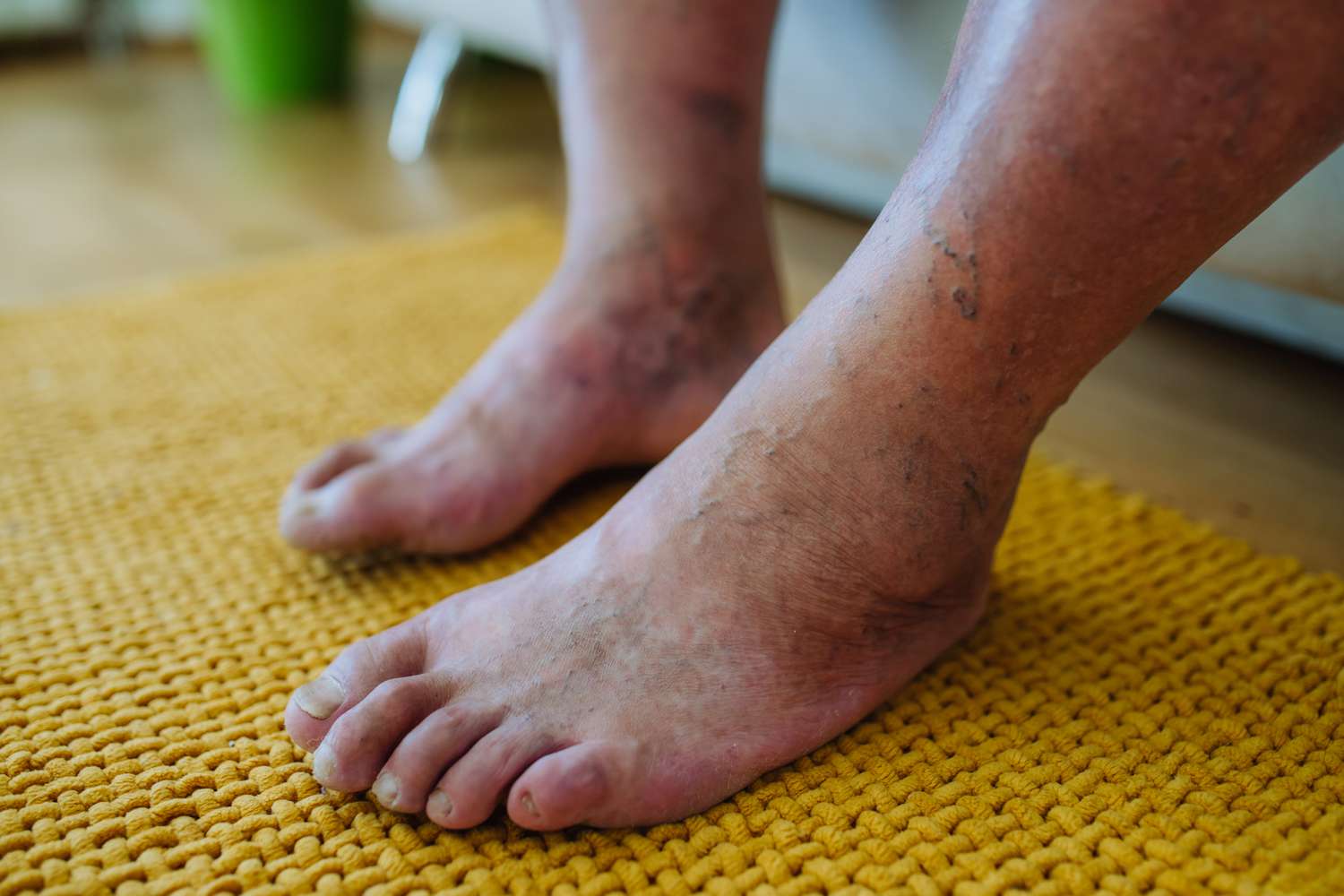
Living with Diabetes requires careful attention to overall health, and foot care is one of the most important aspects of daily wellness. Changes in circulation and nerve function can make the feet more vulnerable to discomfort, pressure injuries, and slow healing. While proper footwear plays a major role in protecting foot health, supportive diabetic foot insoles provide an additional layer of comfort and stability that can make a meaningful difference.
Designed to reduce pressure, improve weight distribution, and support natural foot movement, these insoles help people stay active while minimizing the risk of common foot problems.
Why Foot Support Matters for People With Diabetes
Healthy feet depend on balanced pressure and proper alignment. For individuals with diabetes, reduced sensation in the feet may make it difficult to notice minor injuries before they become more serious. Standing or walking in shoes that lack adequate support can increase stress on certain areas of the foot, leading to discomfort or skin irritation.
Supportive insoles work by distributing body weight more evenly across the foot. This reduces concentrated pressure under the heel, ball of the foot, and toes, helping to create a more comfortable walking experience throughout the day.
The Benefits of Supportive Insoles
Quality insoles are designed with materials that absorb impact while maintaining structural support. This combination provides several advantages beyond simple cushioning.
Proper support encourages better posture by keeping the feet in a more natural position. Improved alignment can also reduce unnecessary strain on the ankles, knees, and lower back. Many people notice that supportive insoles decrease fatigue during long hours of standing or walking, making everyday activities easier to manage.
Unlike ordinary shoe inserts that flatten quickly, supportive orthotic insoles maintain their shape and continue providing consistent comfort over time.
How Diabetic Foot Insoles Protect Sensitive Feet
Modern diabetic foot insoles are developed with features specifically intended for individuals who require extra foot protection. Soft, pressure-reducing materials help minimize friction inside the shoe, while supportive layers improve stability without creating uncomfortable pressure points.
Many designs also include moisture-managing materials that help maintain a healthier environment inside the shoe. Reducing excess moisture can improve comfort during extended wear while supporting overall foot hygiene.
When paired with properly fitting shoes, these insoles create a more stable foundation that promotes safer movement throughout daily routines.
Choosing the Right Insoles
Not every insole provides the same level of support. Selecting the right product depends on individual foot structure, activity level, and footwear style.
People should look for insoles that offer firm arch support instead of excessive softness. While soft foam may feel comfortable initially, it often compresses quickly and fails to provide lasting stability. Durable materials with targeted cushioning generally deliver better long-term performance.
Proper sizing is equally important. Insoles that are too small may shift inside the shoe, while oversized inserts can create additional pressure and discomfort.
Supporting Everyday Mobility
Maintaining an active lifestyle remains an important goal for many people managing diabetes. Regular movement supports overall health, circulation, and physical fitness, but comfort plays a major role in making activity sustainable.
Supportive insoles reduce the impact generated during walking by absorbing repeated forces that travel through the feet. This added protection allows many individuals to walk longer distances with greater confidence and less fatigue.
Whether spending the day at work, shopping, traveling, or exercising, proper foot support contributes to a more enjoyable and comfortable experience.
Building Better Foot Care Habits
Supportive insoles are most effective when combined with a complete foot care routine. Daily foot inspections help identify small changes before they develop into larger concerns. To keep your feet healthy, make sure they are clean and dry, trim your nails carefully, and wear shoes that fit well.
Replacing worn insoles when they lose their supportive properties is equally important. Even high-quality products eventually experience normal wear, and continuing to use flattened inserts may reduce their protective benefits.
Conclusion
Healthy feet support independence, mobility, and overall quality of life. Investing in supportive diabetic foot insoles is a practical step toward reducing pressure, improving comfort, and protecting sensitive feet during everyday activities. When combined with well-fitting footwear and consistent foot care habits, supportive insoles can help individuals with diabetes remain active, comfortable, and confident while promoting long-term foot health.