
Making An Informed Decision Before Starting Dental Implant Treatment
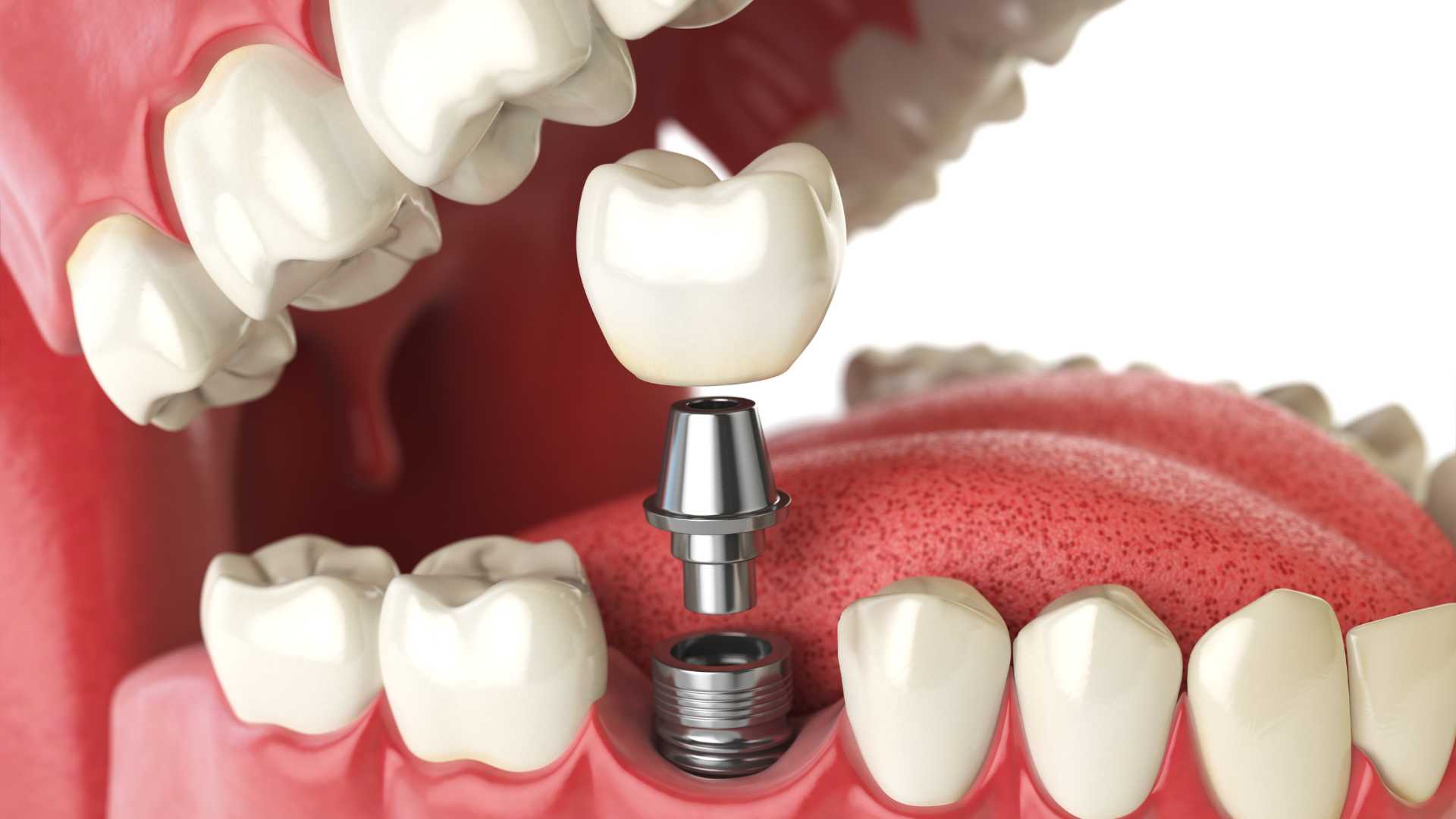
Dental Implant

If you have lost one or more teeth, dental implants may be the best long-term solution for you. They are used to replace lost teeth and let you accomplish normal tasks like eating and talking. Implant surgery, however, is a big dental procedure and choosing a replacement tooth is not enough to determine whether it’s correct. Before initiating therapy, patients should be informed about their dental health, the available treatment options, the treatment process they may anticipate, the recovery time and the cost. Being aware of this information beforehand will help you make a better choice and have more realistic objectives. Understand What Dental Implant Treatment Involves Dental implants are typically little metal pieces that are put in the jawbone to hold an artificial tooth. Once the implant is in, the bone surrounding it requires time to mend and grow together. The dentist may then place a dental crown, bridge or other suitable repair as determined by the treatment plan. Unlike some other methods of replacing lost teeth, therapy with implants may need more than one session over a few months. Everyone’s healing process is different, which is why it’s crucial to know what the complete process is like before you begin therapy. People who enquire about dental implants in Sydney should ask about each stage of treatment rather than focusing only on the final appearance of the replacement tooth. Patients who know what to expect before, during and after obtaining an implant will be more prepared for their procedure. Determine Whether You Are A Suitable Candidate Dental implants aren’t always the best choice for those who are missing teeth. Dentists have to consider a lot of things before recommending treatment. The condition of your gums, jawbone, overall dental health, where the tooth was, and the quality of the teeth surrounding it may all impact the way the tooth is treated. Diagnostic pictures may be necessary to see the bone that is present and other key sections of the body. If there is not enough bone, alternative treatments may be discussed before the implant is placed. Your capacity to recover may also be affected by your overall health and lifestyle. Thus, patients should inform their doctor of their entire medical history and discuss any medications or other conditions that might impact their treatment. Ask About Alternative Tooth Replacement Options You should be aware of dental implants and other possibilities to be able to make a good decision. Other possibilities might include dental braces or removable dentures depending on where and how many teeth were removed. There are some helpful points to consider in each approach. The right therapy for you will depend on your dental health and personal preferences, medical condition, how frequently you need to see a dentist and your budget. If you’re in Sydney and wondering about dental implants, your consultation might be an opportunity to explore all of your options and learn how one procedure may be more suitable than another. Implants are not always the best solution for patients. They may question how each option would affect the comfort, function, maintenance, and surrounding teeth of the implants. Consider The Complete Cost Of Treatment Cost is another crucial item to consider. During dental implant therapy, a lot may happen. Consultations, diagnostic scans, implant insertion, restorations, and follow-up sessions. The overall cost might potentially change with additional treatments. Patients should ask for a comprehensive treatment plan that details what is included in the fee they have been quoted. You may also wish to see whether any potential further treatments are included or if there is an extra charge. It might be misleading to compare treatments just based on the lowest price given. Along with pricing, you should also look at how difficult the procedure is, what materials are used, how long the treatment lasts and how much care you will need in the future. Understand Recovery And Healing Expectations Each one heals in his own manner. Some individuals may have a short period of swelling, discomfort or tenderness after having implants. Your dentist or orthodontist will inform you what to anticipate and provide you with the proper recommendations for treatment. And the patient has to be in the healing process too. Follow the recommendations for adequate dental care, attend all of your appointments, and avoid habits that might get in the way of your recovery. People in Sydney should consider the commitments they have with their job, travel and other matters that may hinder them from keeping their schedules or handling the healing period before they enquire about dental implants. Think About Long Term Maintenance Dental implants are designed to be a long-term solution to lost teeth, but they still need regular maintenance. Although an implant is not subject to cavities like a natural tooth, the tissues around the implant must remain healthy. Ongoing implant care might include brushing your teeth daily, cleaning between your teeth, having frequent expert dental checkups and scheduling regular hygiene visits. Whether you require dental treatment, ask your doctor whether you need to adjust how you clean after the procedure is done. Whoever is aware of these responsibilities beforehand will not assume that implants do not need any care at all. Conclusion As for choosing dental implants, every patient must take into account his or her own medical demands and get a complete understanding of how the operation will proceed. Before you start therapy, consider: Is the treatment correct for you? How much will the treatment cost? How long will it take to heal? With a thorough dental exam and a detailed discussion with an experienced dental expert, you may get the information you need to consider your options. If patients ask questions and understand every phase of the therapy, they might have greater confidence in their decision and more reasonable expectations.


The Art of Facial Rejuvenation That Preserves Your Unique Features

Facial rejuvenation has evolved significantly over the past decade. Rather than pursuing dramatic transformations, many individuals now seek treatments that restore youthful vitality while maintaining the facial characteristics that make them unique. This shift reflects a growing appreciation for natural beauty, balanced proportions, and subtle enhancements that complement a person’s existing features. Modern aesthetic care is no longer about looking like someone else. Instead, it focuses on helping patients look like the best version of themselves. When treatments are carefully planned and personalized, the results can refresh the face without altering the expressions, personality, or individuality that define a person. The Goal of Natural Facial Rejuvenation The aging process affects everyone differently. Skin gradually loses collagen and elasticity, facial fat shifts, and bone structure changes over time. These natural developments can lead to volume loss, wrinkles, and skin laxity. However, the objective of facial rejuvenation is not to erase every sign of aging. Instead, it is to restore balance and harmony while respecting each patient’s natural anatomy. A thoughtful treatment plan considers facial proportions, skin quality, and individual goals. Small improvements in multiple areas often create a more youthful appearance than aggressive treatment focused on a single concern. The result is a refreshed face that still feels authentic. Personalized Treatments Make the Difference No two faces age in exactly the same way. Genetics, lifestyle, sun exposure, and overall health all influence how the skin and facial tissues change over time. Because of this, personalized care is essential for achieving natural outcomes. Rather than following a standard approach, experienced practitioners evaluate facial symmetry, expressions, and unique structural characteristics before recommending treatment options. Customized plans may combine several minimally invasive techniques to address fine lines, restore lost volume, improve skin texture, and enhance overall facial balance. Patients often appreciate that these individualized plans prioritize subtle improvements rather than obvious cosmetic changes. Preserving Facial Expressions and Character One of the biggest concerns many people have before seeking cosmetic treatment is losing their natural appearance. They want to continue looking expressive, approachable, and recognizable to family and friends. This is where Dr. Joffrey’s Approach to Natural-Looking Facial Rejuvenation stands out by emphasizing facial harmony instead of excessive correction. The philosophy centers on enhancing existing beauty while preserving the movement and character that make every face unique. When performed with precision and restraint, facial rejuvenation can soften signs of aging without creating a frozen or overfilled appearance. The goal is for others to notice that someone looks refreshed and well-rested rather than wondering what procedure they have undergone. Combining Science With Artistic Vision Facial rejuvenation requires far more than technical skill. It also demands an artistic understanding of facial proportions, balance, and aesthetics. Every adjustment should complement surrounding features rather than compete with them. Modern technology and advanced techniques allow practitioners to target specific concerns with remarkable accuracy. Whether improving skin quality, restoring facial volume, or refining contours, each treatment contributes to an overall result that appears seamless and natural. This careful combination of medical expertise and artistic judgment helps create outcomes that enhance confidence while preserving individuality. Healthy Skin Supports Long-Lasting Results Beautiful rejuvenation is not achieved through cosmetic procedures alone. Healthy skin provides the foundation for lasting improvements. Daily skincare, sun protection, proper hydration, and healthy lifestyle choices all contribute to maintaining treatment results. Patients who adopt consistent skincare routines often experience improved skin texture, better elasticity, and a brighter complexion. Preventive care also helps slow visible signs of aging, reducing the need for more extensive interventions in the future. When professional treatments are combined with good skin health, the overall appearance remains fresh and balanced for years to come. Confidence Comes From Looking Like Yourself Perhaps the greatest benefit of modern facial rejuvenation is the confidence it can inspire. People often feel more comfortable in professional settings, social interactions, and everyday life when their outward appearance reflects how energetic and youthful they feel inside. Natural-looking results allow individuals to maintain their identity while addressing concerns that may have affected their self-esteem. Instead of chasing perfection, today’s aesthetic philosophy celebrates authenticity, balance, and personal beauty. Conclusion The true art of facial rejuvenation lies in preserving the features that make every individual unique while gently restoring youthful vitality. Personalized treatment plans, artistic precision, and a commitment to subtle enhancement produce results that feel genuine rather than artificial. By focusing on facial harmony instead of dramatic transformation, modern aesthetic care helps individuals age gracefully while continuing to look unmistakably like themselves.

Understanding the Value of Supportive Insoles for Diabetic Feet

Living with diabetes requires careful attention to overall health, and foot care is one of the most important aspects of daily wellness. Changes in circulation and nerve function can make the feet more vulnerable to discomfort, pressure injuries, and slow healing. While proper footwear plays a major role in protecting foot health, supportive diabetic foot insoles provide an additional layer of comfort and stability that can make a meaningful difference. Designed to reduce pressure, improve weight distribution, and support natural foot movement, these insoles help people stay active while minimizing the risk of common foot problems. Why Foot Support Matters for People With Diabetes Healthy feet depend on balanced pressure and proper alignment. For individuals with diabetes, reduced sensation in the feet may make it difficult to notice minor injuries before they become more serious. Standing or walking in shoes that lack adequate support can increase stress on certain areas of the foot, leading to discomfort or skin irritation. Supportive insoles work by distributing body weight more evenly across the foot. This reduces concentrated pressure under the heel, ball of the foot, and toes, helping to create a more comfortable walking experience throughout the day. The Benefits of Supportive Insoles Quality insoles are designed with materials that absorb impact while maintaining structural support. This combination provides several advantages beyond simple cushioning. Proper support encourages better posture by keeping the feet in a more natural position. Improved alignment can also reduce unnecessary strain on the ankles, knees, and lower back. Many people notice that supportive insoles decrease fatigue during long hours of standing or walking, making everyday activities easier to manage. Unlike ordinary shoe inserts that flatten quickly, supportive orthotic insoles maintain their shape and continue providing consistent comfort over time. How Diabetic Foot Insoles Protect Sensitive Feet Modern diabetic foot insoles are developed with features specifically intended for individuals who require extra foot protection. Soft, pressure-reducing materials help minimize friction inside the shoe, while supportive layers improve stability without creating uncomfortable pressure points. Many designs also include moisture-managing materials that help maintain a healthier environment inside the shoe. Reducing excess moisture can improve comfort during extended wear while supporting overall foot hygiene. When paired with properly fitting shoes, these insoles create a more stable foundation that promotes safer movement throughout daily routines. Choosing the Right Insoles Not every insole provides the same level of support. Selecting the right product depends on individual foot structure, activity level, and footwear style. People should look for insoles that offer firm arch support instead of excessive softness. While soft foam may feel comfortable initially, it often compresses quickly and fails to provide lasting stability. Durable materials with targeted cushioning generally deliver better long-term performance. Proper sizing is equally important. Insoles that are too small may shift inside the shoe, while oversized inserts can create additional pressure and discomfort. Supporting Everyday Mobility Maintaining an active lifestyle remains an important goal for many people managing diabetes. Regular movement supports overall health, circulation, and physical fitness, but comfort plays a major role in making activity sustainable. Supportive insoles reduce the impact generated during walking by absorbing repeated forces that travel through the feet. This added protection allows many individuals to walk longer distances with greater confidence and less fatigue. Whether spending the day at work, shopping, traveling, or exercising, proper foot support contributes to a more enjoyable and comfortable experience. Building Better Foot Care Habits Supportive insoles are most effective when combined with a complete foot care routine. Daily foot inspections help identify small changes before they develop into larger concerns. To keep your feet healthy, make sure they are clean and dry, trim your nails carefully, and wear shoes that fit well. Replacing worn insoles when they lose their supportive properties is equally important. Even high-quality products eventually experience normal wear, and continuing to use flattened inserts may reduce their protective benefits. Conclusion Healthy feet support independence, mobility, and overall quality of life. Investing in supportive diabetic foot insoles is a practical step toward reducing pressure, improving comfort, and protecting sensitive feet during everyday activities. When combined with well-fitting footwear and consistent foot care habits, supportive insoles can help individuals with diabetes remain active, comfortable, and confident while promoting long-term foot health.

The Importance of Multidisciplinary Care for Lipedema Treatment

Lipedema is a chronic condition that affects the distribution of fat tissue, primarily in the legs and sometimes the arms. It often causes pain, swelling, tenderness, and limited mobility. Because its symptoms can resemble other conditions, many individuals experience delayed diagnosis and spend years searching for effective care. A multidisciplinary approach has become increasingly important because it addresses the many physical and emotional challenges associated with lipedema rather than focusing on only one aspect of treatment. Why a Team-Based Approach Matters Lipedema affects more than body appearance. It can influence movement, comfort, mental well-being, and daily activities. As a result, relying on a single healthcare provider may not provide the comprehensive support needed for long-term management. A multidisciplinary team often includes physicians, physical therapists, occupational therapists, nutrition professionals, mental health specialists, and lymphatic care experts. Each professional contributes specialized knowledge, allowing patients to receive coordinated care that targets multiple aspects of the condition at the same time. This collaborative model helps ensure that treatment decisions are based on a complete understanding of the patient’s symptoms, lifestyle, and health goals. Improving Diagnosis and Individualized Planning One of the greatest advantages of multidisciplinary care is improved diagnostic accuracy. Lipedema is sometimes mistaken for obesity or lymphedema, leading to ineffective treatment strategies. Experienced specialists can distinguish between these conditions through careful evaluation and patient history. Once an accurate diagnosis is established, the care team can create a personalized treatment plan. Every patient experiences lipedema differently, making individualized care essential. Factors such as symptom severity, mobility, overall health, and personal goals all influence the recommended treatment strategy. Supporting Conservative Treatment Options Many people benefit from non-surgical therapies that help reduce discomfort and improve function. Compression garments, manual lymphatic drainage, low-impact exercise, and movement therapy often work together to manage symptoms. An integrated program that emphasizes Lymph Sparing Lipedema Care focuses on preserving healthy lymphatic function while addressing abnormal fat deposits. This approach can help reduce swelling, improve circulation, and support better long-term outcomes when combined with appropriate lifestyle modifications and ongoing monitoring. Physical therapists also guide patients through exercises that enhance flexibility, strengthen muscles, and reduce stress on affected joints. These improvements contribute to greater independence and confidence in everyday activities. Nutrition and Lifestyle Guidance Although lipedema is not caused by excess calorie intake, nutrition still plays an important role in overall health. Registered dietitians can help patients adopt eating habits that support healthy weight management, reduce inflammation, and provide adequate nutrition without promoting unrealistic expectations. Lifestyle counseling may also include advice on sleep quality, stress reduction, hydration, and sustainable physical activity. Together, these factors can improve energy levels and enhance overall quality of life. Rather than promoting restrictive diets, multidisciplinary teams encourage balanced habits that patients can realistically maintain over time. Emotional and Psychological Support Having a long-term illness can have an effect on your mental health. Many individuals with lipedema experience frustration, anxiety, or reduced self-esteem due to years of misdiagnosis or misunderstanding. Mental health professionals provide valuable support by helping patients develop coping strategies, manage stress, and build confidence throughout their treatment journey. Emotional care is an essential part of comprehensive healthcare because psychological wellness directly influences physical recovery and long-term adherence to treatment plans. Support groups and patient education programs may also provide encouragement through shared experiences and practical advice. Coordinated Surgical Care When Appropriate Some patients may eventually consider surgical intervention after conservative treatments have been fully explored. In these situations, multidisciplinary care becomes even more valuable. Surgeons collaborate with other healthcare providers to determine whether surgery is appropriate, prepare patients before the procedure, and coordinate postoperative rehabilitation. Follow-up care may include continued physical therapy, compression therapy, and ongoing monitoring to support recovery and maximize long-term benefits. This coordinated process helps patients maintain realistic expectations while promoting safer outcomes. Looking Toward Long-Term Success Lipedema requires ongoing management rather than a one-time solution. Regular communication among healthcare providers allows treatment plans to evolve as symptoms change over time. Patients also gain access to educational resources that empower them to participate actively in their own care. The combination of medical expertise, rehabilitation, nutritional guidance, emotional support, and personalized planning creates a more complete approach than any single treatment alone. Conclusion Effective lipedema management extends beyond treating symptoms. It requires a coordinated strategy that addresses physical function, emotional health, lifestyle, and long-term wellness. Multidisciplinary care brings together professionals from multiple specialties to provide individualized support that adapts to each patient’s unique needs. By combining expertise across disciplines and incorporating approaches such as Lymph Sparing Lipedema Care, patients can receive more comprehensive treatment, experience improved quality of life, and develop sustainable strategies for managing this lifelong condition.