
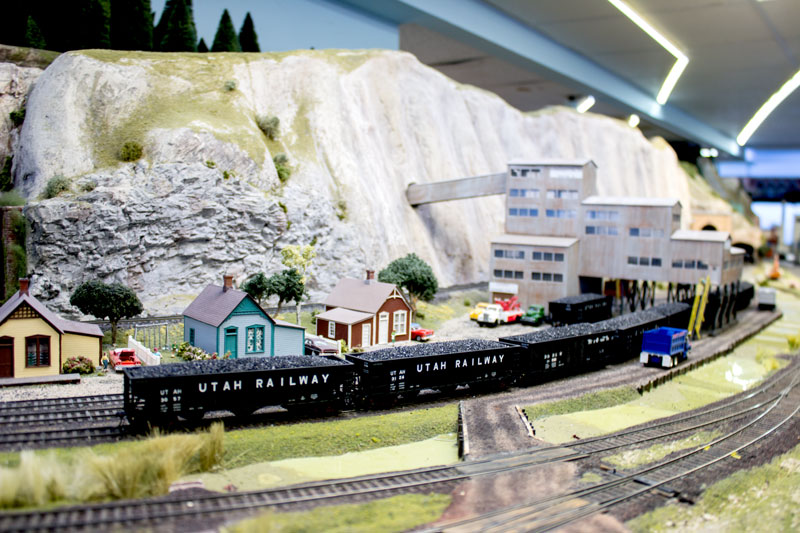
Model trains offer much more than miniature locomotives moving along tracks. They represent engineering, craftsmanship, history, and the satisfaction of building something detailed and realistic. The acquisition of a model train for collectors and enthusiasts necessitates an assessment of numerous variables that impact its performance, appearance, and long-term value. With numerous brands, scales, and locomotive designs available, understanding what makes a model train worth buying can help enthusiasts make informed decisions and build collections that remain enjoyable for years.
The Importance of Model Train Quality
Quality is one of the most important considerations when purchasing model trains. Two locomotives may look nearly identical but differ significantly in construction, materials, and mechanical performance. High-quality models generally feature durable components, precise detailing, and reliable motors that support smooth operation.
When visiting a model train store, buyers should examine the locomotive’s body, wheels, couplers, and overall construction. Models featuring well-assembled components and accurate proportions often provide a more satisfying experience. However, higher prices do not automatically guarantee superior quality. Comparing specifications and understanding individual requirements can help buyers identify models that offer genuine value.
Choosing the Right Scale for Your Collection
Model trains are manufactured in different scales, each offering unique advantages depending on available space and personal preferences. Popular options include HO, N, O, and G scales. Understanding these differences is essential because scale determines the physical size of locomotives, rolling stock, tracks, and scenery.
HO scale is popular because it offers a practical balance between detail and space requirements. N scale works well for smaller layouts, while O scale appeals to enthusiasts who appreciate larger models with visible detailing. G scale is frequently associated with garden railways and spacious outdoor layouts.
Before purchasing, collectors should consider whether the model will fit their existing railway system. Selecting a consistent scale helps maintain visual accuracy and simplifies future expansion.
Evaluating Locomotive Performance and Mechanical Features
A model train’s appearance is important, but mechanical performance determines how enjoyable it will be during regular operation. Reliable locomotives should move smoothly, maintain consistent speeds, and operate without frequent interruptions.
Motor quality, wheel alignment, electrical pickup, and drivetrain construction influence performance. Buyers should also consider whether a locomotive supports conventional DC operation or Digital Command Control, commonly called DCC.
DCC-equipped models allow users to control individual locomotives and access additional functions when used with compatible systems. Some advanced models include realistic sound effects, lighting, and programmable operating features. These capabilities can improve the experience, although they may increase the purchase price.
Examining Authenticity and Realistic Detailing
For many collectors, authenticity is a major reason to purchase a particular model train. Accurate paint schemes, railroad markings, locomotive proportions, and historical details contribute to a model’s appeal.
Manufacturers often reproduce locomotives based on actual railway equipment, making attention to detail especially important. Features such as realistic handrails, properly positioned headlights, detailed undercarriages, and accurate numbering can distinguish premium models from basic alternatives.
Collectors interested in historical railway periods should also verify whether the locomotive matches their preferred era. Choosing models that represent a consistent time period can create a more convincing railway collection.
Comparing New and Preowned Model Trains
Both new and preowned model trains offer advantages. New models generally provide predictable condition, current features, and manufacturer support where available. They can be particularly suitable for beginners who want dependable equipment without extensive maintenance requirements.
Preowned models, however, may provide access to discontinued locomotives, unusual designs, and older collectible releases. Their value depends heavily on condition, completeness, and operational reliability.
When examining used equipment, buyers should check for damaged wheels, missing components, worn gears, and electrical problems. Original packaging, instruction manuals, and replacement parts can also influence desirability. Testing a pre-owned locomotive before purchasing is advisable whenever possible.
Understanding Brand Reputation and Parts Availability
Manufacturer reputation can provide useful insight into product reliability and craftsmanship. Established brands often develop recognizable standards for locomotive construction, detailing, and mechanical design.
However, buyers should evaluate individual product lines rather than relying entirely on brand recognition. Some manufacturers produce both entry-level and premium models with significant differences in features.
Replacement parts availability is another important consideration. Locomotives with accessible motors, gears, couplers, and maintenance components may be easier to repair, potentially extending their useful lifespan.
Considering Long-Term Value and Collectibility
Not every model train purchase needs to become a financial investment. Nevertheless, understanding factors that influence collectibility can help enthusiasts make thoughtful decisions.
Limited production quantities, historical significance, discontinued models, and original condition may contribute to collector demand. Packaging and documentation can also affect resale appeal.
However, rarity alone does not guarantee appreciation. Market demand changes, and certain models may lose value despite their limited availability. Collectors should prioritize personal interest, operational enjoyment, and overall quality rather than assuming every purchase will generate future returns.
Conclusion
Choosing a model train requires balancing appearance, performance, compatibility, durability, and price. Whether purchasing a first locomotive or expanding an established collection, understanding these factors makes the selection process more rewarding. A dependable model train store can provide access to different scales, manufacturers, and equipment options, helping enthusiasts compare products according to their needs. Ultimately, the best model train is one that combines reliable craftsmanship with lasting enjoyment and fits naturally into the railway collection its owner wants to build.