
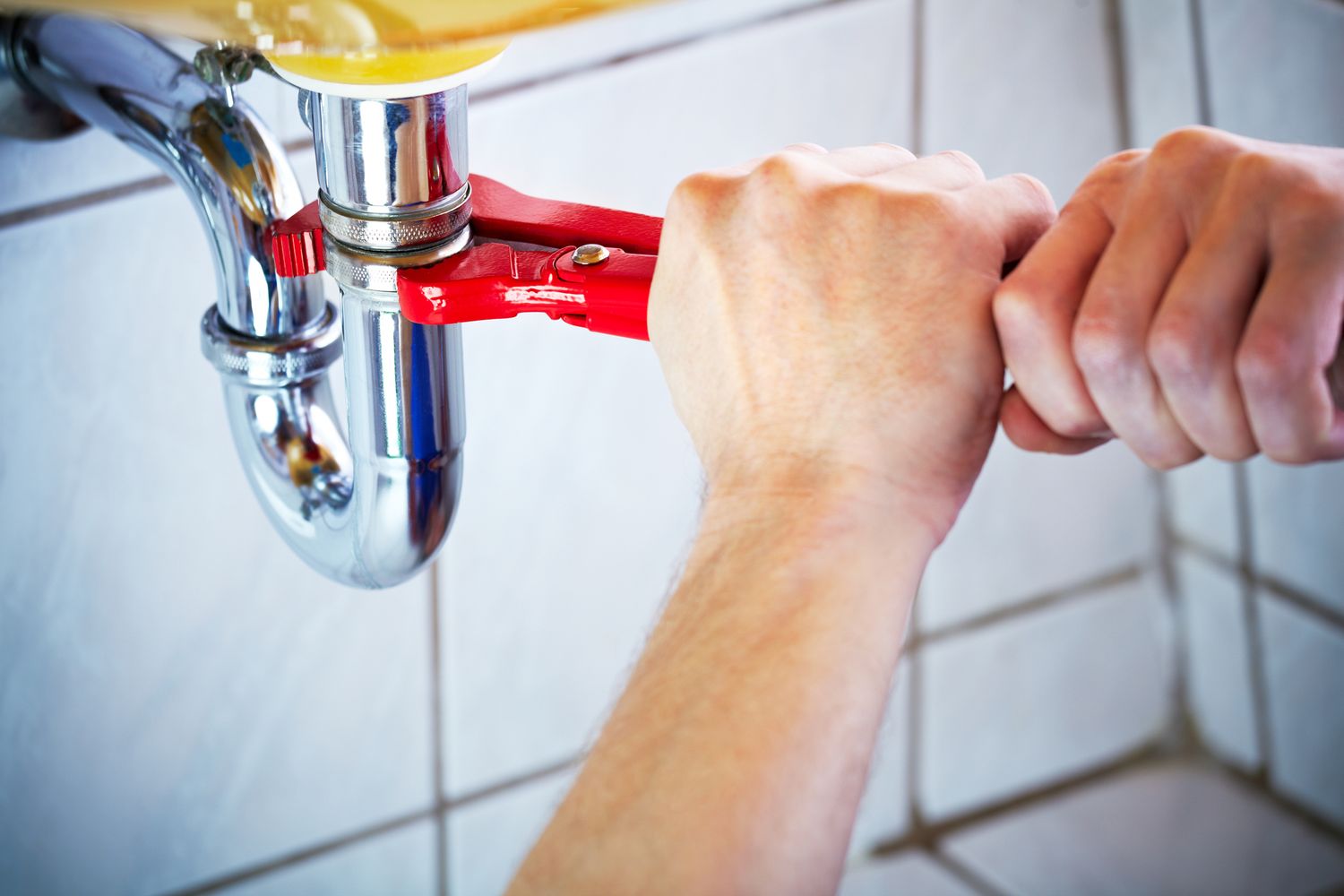
Despite being one of the most utilized fixtures in any house, sink plumbing parts are typically neglected until something goes wrong. It may seem easy enough to replace a loose fixture, sluggish drain, or leaky connection without expert help. On the other hand, improper repair methods may result in further issues that impact nearby cabinets, floors, and linked plumbing lines. Homeowners may prevent needless costs and preserve a reliable plumbing system by being aware of frequent errors made while repairing sinks.
Plumbing Connections Tightened With Too Much Force
Overtightening nuts, fittings, and pipe connections is a frequent error made while fixing sinks. Sometimes, homeowners believe that using additional power would strengthen the seal and permanently stop leaks.
Unfortunately, too much pressure may harm rubber washers, strip threaded connections, and plastic fittings. Water may leak around broken seals when metal parts are misaligned due to improper tightening.
Depending on their design and materials, plumbing connections need to be tightened using the proper techniques. Replacing broken parts is usually more effective than continually tightening the same connection when leaks persist despite careful adjustments.
Ignoring A Sink Leak’s True Cause
It’s not always the case that water that appears under a sink comes from immediately above the puddle. Moisture may move over cabinet surfaces, pipes, and supply lines before gathering in an obvious spot.
Replacing the incorrect part might momentarily alter the problem’s appearance without resolving its root cause. In the meantime, prolonged exposure to moisture may lead to the development of mold, deterioration of flooring materials, and swelling of cabinet panels.
Expert Sink Repair Houston services can assist in determining if leaks are caused by a broken pipe, supply line, drain connection, or faucet assembly. A precise diagnosis lowers the chance of recurrent water damage and avoids needless component replacement.
Using Chemical Drain Cleaners To Clear Blockages Frequently
Homeowners are often prompted to buy chemical drain cleaning solutions by a slow-draining sink. Repeated chemical treatments may bring new hazards, even if certain solutions may be able to overcome specific obstacles.
Strong cleaning agents have the potential to harm delicate plumbing components, produce dangerous splashes, or become stuck behind tenacious obstructions. Additionally, using several drain cleaning solutions may result in hazardous chemical reactions.
For certain blockages, mechanical cleaning techniques like drain snakes and suitable plungers may provide safer solutions. Because the blockage may be caused by accumulated grease, broken plumbing, or incorrect drain installation, persistent drainage issues call for more research.
Installing Inaccurate Replacement Components
Even while sink plumbing components may seem comparable, they are not necessarily interchangeable. The size, materials, and installation requirements of drain assemblies, washers, supply connections, and faucet cartridges differ.
While an unsuitable drain fitting might cause alignment issues, using a washer that is too small may hinder a good seal. Under normal water pressure, improvised connections may work for a short while before leaking.
Homeowners should determine the fixture model and confirm compatibility before making replacement component purchases. Determining whether parts are suitable for a long-lasting repair might be aided by manufacturer requirements.
Neglecting The Sink Drain Assembly’s State
To transport wastewater properly, a sink drain’s many interconnected parts must cooperate. Proper alignment and tight sealing are necessary for the drain flange, tailpiece, trap, and connecting pipes.
Other failing parts may go unrepaired if the most obvious damaged area is the only one repaired. For instance, fixing a leaky trap without inspecting a rusted tailpiece might cause another leak soon after.
The whole accessible drain assembly should be thoroughly inspected. Instead of concentrating just on the present leak, homeowners looking for Sink Repair Houston help might benefit from repairs that address wear on adjacent components.
Using Sealants In Situations Where Mechanical Seals Are Needed
Thread sealing materials, plumber’s putty, and silicone sealant have diverse uses. Plumbing connections may not operate as intended if they are used improperly.
Instead of fixing faulty connections or replacing worn washers, some homeowners put too much sealant around leaky fixtures. This method can enable water to continue escaping below the surface while temporarily hiding the leak.
Compression washers, gaskets, or well-placed mechanical fittings are necessary for many sink connections. Utilizing sealing materials only when necessary may be ensured by following product guidelines.
Conclusion
Due to the slow development of water damage caused by minor installation faults, sink repairs may become costly. An otherwise effective plumbing system may be compromised by overtightened connections, improper replacement parts, inappropriate sealants, and insufficient leak detection. Reliable repairs need a thorough diagnosis, suitable parts, and appropriate testing. Professional help may stop more damage and preserve the sink’s long-term functionality when issues include hidden leaks, persistent obstructions, or deteriorating piping.